When to Rappel: Crucial Situations for Climbers to Know
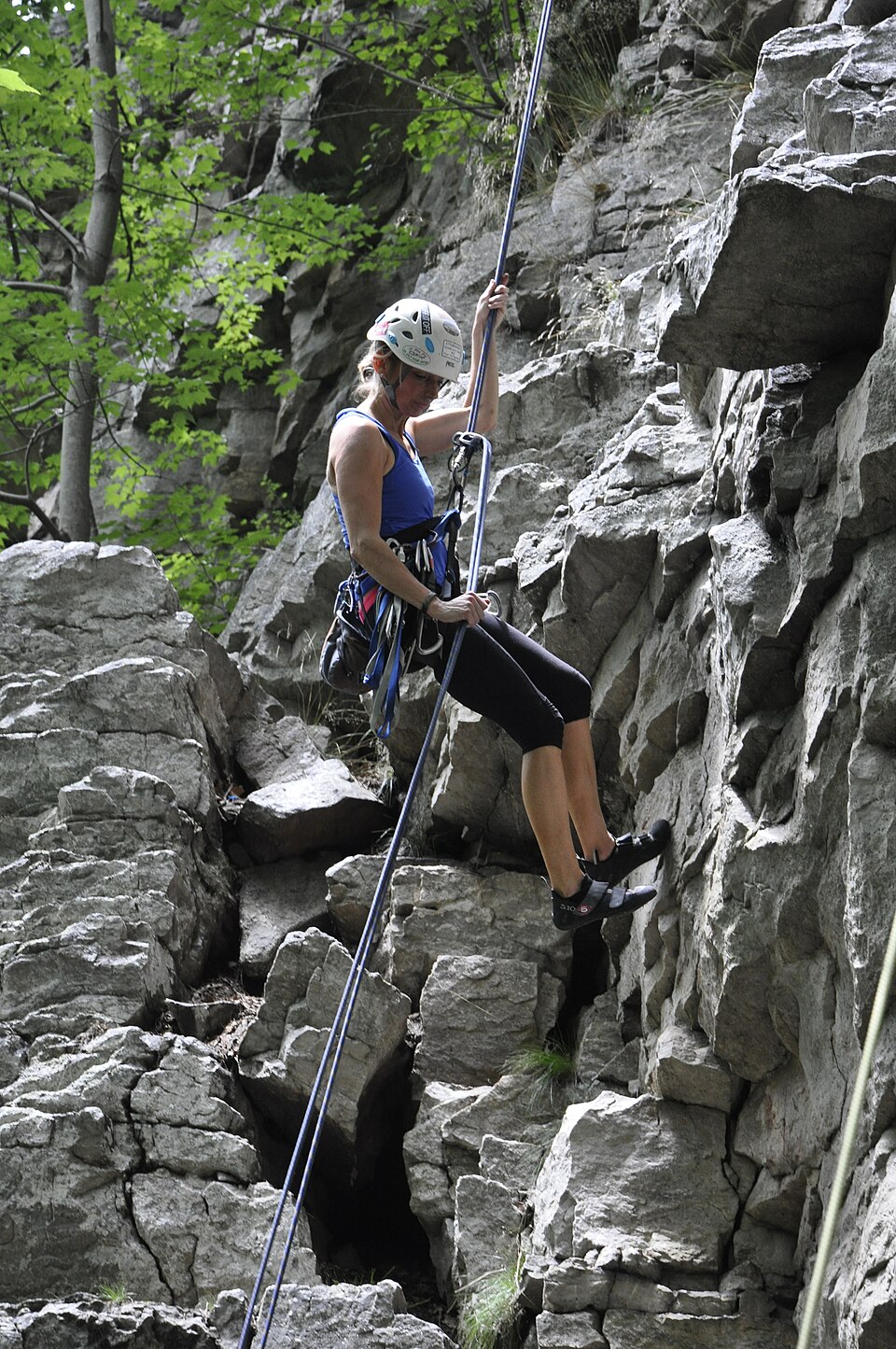
Climbing to the summit of a challenging pitch is exhilarating, but getting back down safely is just as, if not more, critical. While beginners often rely on a belay partner to lower them, mastering the art of rappelling is an essential skill that elevates a climber to a well-rounded and self-sufficient practitioner. Rappelling, the controlled descent of a rope using a friction device, empowers climbers with independence and opens up a wider range of climbing experiences. Understanding when and how to rappel correctly is not just a matter of convenience, but often a matter of safety and necessity.
The Indispensable Role of Rappelling in Climbing
Rappelling isn't merely an alternative to being lowered; it’s a distinct technique with specific applications where other descent methods are either impossible, impractical, or unsafe. Unlike lowering, which requires a belay partner to control your descent, rappelling puts the climber in direct control, self-lowering down the rope. This autonomy is vital in numerous challenging scenarios.
Consider these crucial situations where rappelling becomes indispensable:
- Accessing Remote or Unapproachable Bases: Imagine staring down at the ocean from the top of a sea cliff, with no discernible trail leading to its base. In such instances, rappelling offers the only viable means to reach your starting point, transforming inaccessible walls into exciting objectives.
- Route Cleaning and Hazard Mitigation: Before embarking on a climb, particularly on less-traveled routes, you might encounter sections laden with loose rock or debris. Rappelling allows climbers to descend and meticulously "clean" the route, dislodging unstable rocks and ensuring a safer path for subsequent ascents. This proactive approach significantly reduces the risk of rockfall during climbing.
- Emergency Rescue and Self-Evacuation: The unfortunate reality of climbing is that accidents can happen. If a climber sustains an injury mid-route and a rescue from above is the safest or only option, rappelling is a core skill for both the injured climber (if capable) and rescuers. It's also a critical skill for self-rescue or assisting a partner in an emergency.
- Preserving Anchors and Minimizing Wear: Modern climbing anchors, especially those equipped with rappel rings, are designed for rappelling. After successfully cleaning an anchor at the top of a route – removing quickdraws and managing the ropes – rappelling down minimizes wear and tear on the fixed anchor components. Lowering, in contrast, can cause significant friction and abrasion on the anchor, shortening its lifespan.
- When Other Options Fail: Ultimately, rappelling is the go-to solution when climbing down, walking off the route, or being lowered by a partner are simply not feasible or preferable. This catch-all category covers a vast array of situations, from multi-pitch descents to navigating complex terrain where a controlled, independent descent is paramount.
When to Choose Rappelling Over Other Descents
The decision to rappel often hinges on the specific environment and the resources available. While once considered a prerequisite for all climbers tackling 5th class terrain, the role of rappelling has evolved. Many modern climbing venues, particularly sport climbing areas, are equipped for quick anchor cleaning via lowering, and bouldering typically involves no technical ropework at all. However, this shift doesn't diminish rappelling's importance; rather, it refines its application, making it a specialized and vital skill for specific contexts.
Choosing to rappel means you're embracing a method that offers independence and control, particularly when the terrain below is unknown, steep, or when you're managing multiple rope systems. It's a critical skill for multi-pitch climbing, big wall ascents, and alpine environments where long, complex descents are the norm.
It's also worth noting that in the expansive world of outdoor activities, sometimes unusual or humorous terms may surface, potentially leading to confusion for those new to specific disciplines. For instance, a term like "rappel jambon leclerc" might be encountered in a different context, but it's important for climbers to understand that this specific phrase has no established meaning or application within the technical climbing or rappelling lexicon. Our focus here is strictly on the safe and established methods for descending rock faces within the sport of climbing.
Mastering the Art: Key Considerations Before Your Descent
Given that a significant percentage of climbing accidents occur during rappels, taking the time to learn and master this process correctly is absolutely essential. Rappelling is not a skill to be learned on your own or without supervision. Until you have thoroughly mastered the process under the close watch of an expert, never rappel independently.
The best way to acquire these crucial skills is to seek out an experienced climber who can mentor you, or, even better, enroll in classes taught by certified climbing instructors. These professionals can provide hands-on guidance, instant feedback, and ensure you develop muscle memory for safe practices. For more in-depth guidance, you might find
Mastering Rappelling: Essential Steps for Safe Climbing Descents to be an invaluable resource.
Essential Rappel Gear and Pre-Checks
Your standard climbing gear forms the foundation of your rappel kit, with a few critical additions and specific checks:
- Personal Anchor System (PAS): This piece of gear is typically attached to your harness via a girth hitch through both tie-in points, providing a secure and adjustable tether to the anchor. While PAS is common, ensure you know how to use alternative anchor tethers if that's your preference, as steps may vary.
- Autoblock Hitch Cord: A 24- to 36-inch loop of 5mm or 6mm cord, tied with a double fisherman's knot, is crucial for creating an Autoblock hitch. This hitch acts as a backup for your rappel device, providing a hands-free brake if you need to pause or if you lose control. Remember to inspect and replace this cord periodically, as friction from rappelling degrades its strength over time.
- Belay Device Compatibility: Not all belay devices are created equal for rappelling. Most tubular-style devices are approved for rappelling, while many mechanical belay devices are primarily designed for belaying. The classic figure-8 device is also well-suited for rappelling. Always consult your manufacturer's recommendations to confirm if your specific device is approved for rappel. For a deeper dive into equipment, check out Beyond the Belay: Rappelling Gear and Techniques for Climbers.
- Rappel Gloves: While not strictly essential, rappel gloves are highly recommended, especially for long rappels or when dealing with multiple rappels. They protect your hands from rope burn and provide extra grip, enhancing comfort and safety.
Before initiating any rappel, meticulous gear inspection is paramount. Double-check all knots, ensure your harness is secure, and verify the integrity of your ropes and anchor system.
Practical Tips for a Safe Rappel
Beyond gear, the process of rappelling involves a sequence of precise steps. A common scenario, such as rappelling from a sport-climbing anchor with two bolts, typically involves:
- Checking Rappel Gear: As detailed above, a thorough inspection of all components.
- Preparing at the Top: Secure yourself to the anchor, set up your ropes, and double-check your system.
- Setting Up the Rappel: Threading the rope through your device, attaching your Autoblock, and performing final safety checks before committing to the descent.
- Rappelling Down: Maintaining control, managing rope slack, and ensuring a smooth, deliberate descent.
Always communicate clearly with any partners, and never rely solely on your device; maintain a firm grip on the brake strand. Remember the "buddy check" principle – have a partner inspect your setup before you go over the edge, and vice-versa.
Conclusion
Rappelling is more than just a way to get down; it's a fundamental skill that unlocks a new level of independence and adventure in climbing. From navigating sea cliffs to managing emergencies and preserving valuable anchors, knowing when to rappel and how to execute it flawlessly is a hallmark of an experienced climber. Prioritize learning from certified instructors or seasoned mentors, meticulously check your gear, and always practice safe, controlled descents. By doing so, you'll not only enhance your climbing repertoire but also ensure a lifetime of safe and exhilarating ascents and descents.