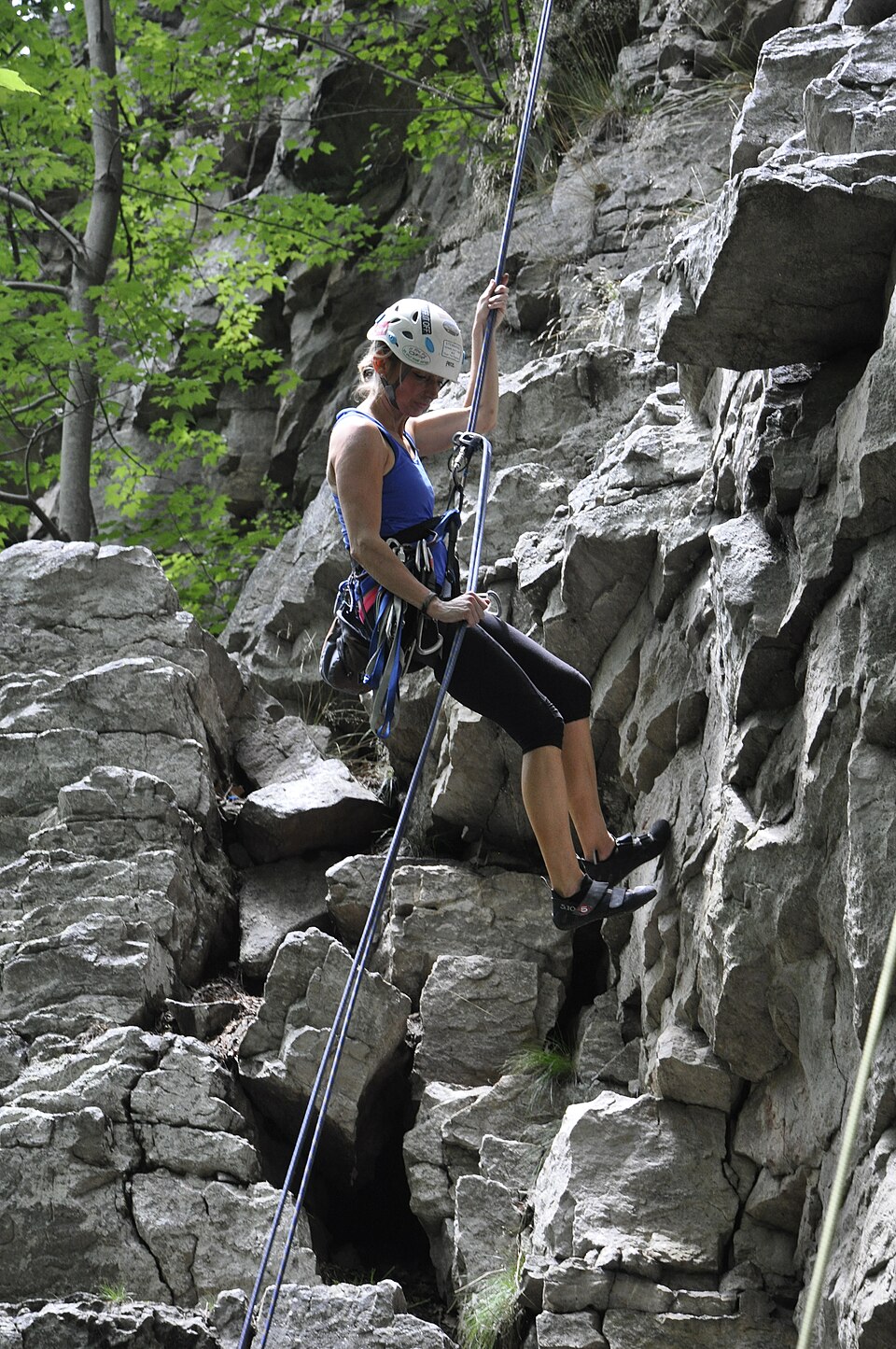
Beyond the Belay: Mastering Rappelling for Climbers
While the exhilaration of reaching a climb's summit is undeniable, the journey isn't truly complete until you're safely back on solid ground. For many novice climbers, descending often means being lowered by a belay partner. However, to become a truly well-rounded and self-sufficient climber, mastering the art of rappelling is an absolutely essential skill. It transforms you from relying solely on a partner for descent to confidently navigating vertical terrain on your own terms. Understanding the nuances of rappel gear and techniques is not just about convenience; it's about expanding your climbing horizons and ensuring your safety in diverse situations.
Why Rappelling is a Non-Negotiable Skill
Rappelling offers a level of independence and versatility that lowering simply cannot match. While lowering requires a partner actively belaying you down, rappelling allows for a controlled, self-descent. This crucial distinction makes rappelling indispensable in a variety of climbing scenarios:
- Remote or Inaccessible Bases: Imagine a multi-pitch climb on a sea cliff or a remote alpine route where no approach trail leads to the base. Rappelling is often the only way to get down safely after reaching the top or completing a pitch.
- Route Maintenance and Safety: Before attempting a climb, especially on less-frequented or new routes, rappelling can be used to clean loose rocks, vegetation, or even re-examine holds. This pre-climb inspection enhances safety for subsequent ascents.
- Emergency and Rescue Situations: In unfortunate circumstances, such as an injured climber high on a route, a controlled rappel might be the most efficient and safest way to effect a rescue or facilitate a descent to a more accessible location. Knowing how to set up and execute a rescue rappel can be life-saving.
- Anchor Preservation: Modern anchors, particularly those in high-traffic sport climbing areas, often feature rappel rings designed for this very purpose. Rappelling minimizes wear and tear on these fixed anchor systems compared to repeatedly lowering off them, which can prematurely degrade the hardware.
- When Other Options Fail: Any situation where simply climbing down, being lowered, or walking off the top are impossible, impractical, or unsafe necessitates rappelling. It's the ultimate plan B (or often, plan A) for getting off a cliff. For a deeper dive into when this skill becomes critical, consider When to Rappel: Crucial Situations for Climbers to Know.
Given the critical role it plays in safety and access, learning to rappel correctly under the guidance of an expert is not just recommended, but vital. A significant percentage of climbing accidents occur during descents, making meticulous attention to detail and proper technique paramount.
Essential Rappel Gear: Beyond Your Standard Rack
While much of your standard climbing kit will serve you well for rappelling, there are a few specialized additions and considerations specific to safe descent. Always inspect your gear thoroughly before each use, paying close attention to wear and tear, especially on ropes and cords subjected to friction.
Key Rappel-Specific Additions:
- Personal Anchor System (PAS): This piece of equipment is fundamental for securing yourself to an anchor while setting up or managing ropes for a rappel. A PAS, typically made from nylon or Dyneema webbing or chains, attaches to your harness tie-in points with a girth hitch. It allows for quick, adjustable, and secure tethering to the anchor, freeing your hands to manage the rope. While many types exist, ensuring yours is UIAA approved and used correctly as per manufacturer instructions is crucial.
- Autoblock Hitch Cord: This often-overlooked yet critical safety device is a short length (24-36 inches) of 5mm or 6mm cord, tied into a loop with a double fisherman's knot. It's used to create a friction hitch (like a Prusik or Klemheist, but the Autoblock is particularly common for rappelling) below your rappel device, acting as a "third hand" to automatically lock off the rope if you lose control or need to go hands-free. Because rappelling generates significant friction and heat, this cord needs regular inspection and replacement as its strength degrades over time.
- Rappel Gloves: While not strictly essential for every rappel, a good pair of sturdy rappel gloves can significantly improve comfort and safety, especially on long rappels, multi-pitch descents, or when handling wet ropes. They protect your hands from rope burn, abrasions, and the heat generated by friction.
Belay Device Considerations:
Your belay device is central to your rappel system, but not all devices are created equal for the task. Always consult your device's manufacturer recommendations before rappelling.
- Tubular-Style Devices: Most classic tubular belay devices (like an ATC) are approved and excellent for rappelling. They offer sufficient friction control for a smooth descent when used correctly. This article primarily describes rappelling with such a device.
- Mechanical Belay Devices: While superb for belaying, many mechanical or assisted-braking belay devices (e.g., Grigri) are less suited for rappelling, or require specific techniques and caution. They can offer less fluid control during descent, and some models might lock up unexpectedly or not provide adequate friction in certain scenarios. Always read the specific instructions for your model.
- Figure-8 Devices: The classic figure-8 is widely approved and often preferred by some climbers specifically for rappelling, as it dissipates heat effectively and provides a very fluid, less jerky descent, particularly on wet or icy ropes, or with thick ropes. However, it can twist ropes more than tubular devices.
Beyond these, always ensure your harness, locking carabiners (you'll need several), and especially your ropes are in excellent condition. For rappelling, a dynamic climbing rope is standard, but understanding its properties (stretch) is important. In specific contexts like caving or rescue, static ropes might be used, but for general climbing descents, your lead rope will typically be dynamic.
Mastering the Rappel: A Step-by-Step Approach
This guide outlines the steps for a common sport-climbing scenario involving two-bolt anchors. Always remember: rappelling is a high-risk activity; learn under expert supervision.
1. Checking Rappel Gear
Before you even approach the anchor, conduct a thorough gear check. Ensure your harness is double-backed, all locking carabiners function correctly, your PAS is securely girth-hitched, and your autoblock cord is free of excessive wear and correctly tied. Inspect your belay device for cracks or excessive grooving. Most importantly, visually and tactilely inspect the rope you will be rappelling on for cuts, nicks, or core shots.
2. Preparing at the Top of the Route
Once at the anchor, immediately clip into it using your PAS and at least two locking carabiners, ensuring redundancy. Assess the anchor's integrity. Flake your rope carefully, ensuring no knots or tangles. If you're using two ropes for a full-length rappel, tie them together with a secure, load-bearing knot like a double fisherman's or an overhand knot (EDK) with sufficient tails, and carefully throw them down, ensuring they reach the ground and don't snag.
3. Setting Up the Rappel
This is where precision is paramount. Thread your rope(s) through the rappel rings or anchor system. Double-check that the rope runs freely and evenly. Next, attach your belay device to your harness's belay loop with a locking carabiner. Thread the rope through the belay device according to its manufacturer's instructions, ensuring the brake hand side is correctly oriented. Finally, attach your autoblock hitch: wrap the cord around the rappel ropes below your belay device, then clip the loop ends back to your belay loop or a dedicated locker on your leg loop. This setup creates your crucial backup system.
Crucial Safety Check: Before committing your weight to the rope, perform a thorough system check. Have a partner (if available) verify your setup: rope threaded correctly, belay device properly engaged, autoblock hitch tied and clipped, all carabiners locked, and a stopper knot in the end(s) of the rope(s) if not reaching the ground.
4. Rappelling Down
Once confident in your setup, gradually lean back, transferring your weight onto the rappel device. Maintain a stable, controlled body position, feet shoulder-width apart, perpendicular to the rock. Keep your brake hand firmly on the rope below the autoblock, guiding your descent. Use your free hand to maintain balance or gently control the rope above the device. Descend slowly and deliberately, avoiding sudden movements or excessive speed which can generate dangerous heat and reduce control. As you near the ground or the next anchor, prepare for your arrival, ensuring a smooth transition off the rope.
Safety First: Learning and Best Practices
Rappelling, while empowering, is one of the most critical phases of climbing where accidents can occur. The best way to learn these skills is through direct mentorship from an experienced, certified climbing instructor or a highly seasoned climber. They can provide real-time feedback, correct mistakes, and instill good habits.
- Seek Expert Guidance: Never attempt to learn rappelling solely from an article or video. Hands-on instruction is indispensable.
- Practice Makes Perfect: Practice in a controlled environment, such as a top-rope setup with a belay backup, before attempting real-world rappels.
- The Buddy Check: Always have a partner double-check your setup and you theirs. Two sets of eyes are better than one.
- Redundancy: Aim for redundancy in all critical systems – anchors, attachment points, and backups.
- Stopper Knots: If your rope ends don't reach the ground, always tie stopper knots in them to prevent rappelling off the end of your rope.
- Communication: Clear communication with partners is vital, especially on multi-pitch descents.
- Situational Awareness: Be aware of your surroundings – loose rock, other climbers, rope snags, and weather changes.
Rappelling is more than just a technique; it's a mindset of preparedness, attention to detail, and respect for the vertical environment. By understanding the gear, mastering the steps, and prioritizing safety, you'll unlock new levels of freedom and capability in your climbing journey, truly going "beyond the belay."